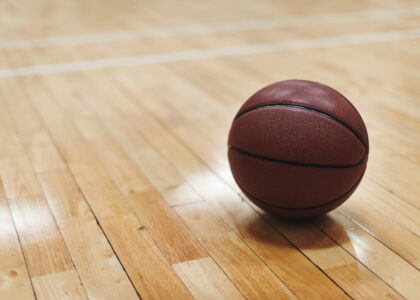


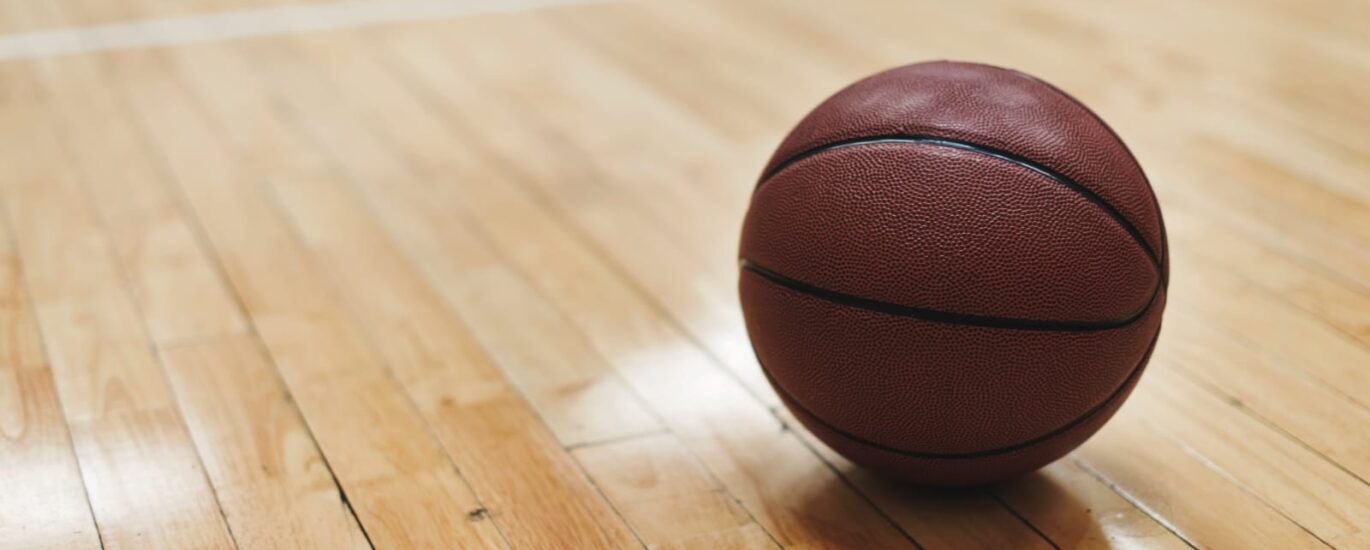
When designing a professional indoor court, one of the most important decisions is choosing the right flooring. The playing surface directly impacts player performance, safety, and overall gameplay quality. For decades, wooden flooring particularly maple hard woodhas been recognized as the gold standard for indoor basketball courts.
From school gyms to world-class arenas used in the National Basketball Association, wooden sports flooring continues to dominate the industry. Its superior performance, durability, and classic aesthetics make it the preferred choice for courts dedicated to Basketball.
At Turf2Play, we specialize in installing high-performance sports flooring that meets international standards. Let’s explore why wooden flooring remains the top choice for indoor basketball courts.
1. Superior Shock Absorption and Player Safety
Basketball is a high-impact sport that involves constant running, jumping, and sudden direction changes. Wooden sports flooring systems are designed with specialized subfloor structures that provide excellent shock absorption.
This feature helps:
- Reduce pressure on athletes’ knees and ankles
- Minimize fatigue during long matches or practice sessions
- Lower the risk of injuries caused by hard surfaces
The flexibility of hardwood flooring ensures players land safely after jumps, making the game safer and more comfortable.
2. Consistent and Reliable Ball Bounce
One of the main reasons wooden flooring is preferred for basketball courts is its consistent ball rebound.
Hardwood surfaces provide:
- Predictable dribbling
- Accurate passing
- Better shooting control
The natural density of hardwood ensures that the basketball bounces uniformly across the court. This consistency is essential for maintaining the integrity of competitive games.
3. Professional Performance Standards
Professional leagues and international tournaments follow strict flooring standards to ensure fair play and athlete safety.
Many courts built for professional competitions comply with standards set by organizations such as the Fédération Internationale de Basketball. Wooden flooring systems are specifically designed to meet these requirements, offering the perfect balance of shock absorption, surface friction, and ball rebound.
Because of these qualities, hardwood courts are widely used in professional arenas around the world.
4. Exceptional Durability and Long Lifespan
Wooden sports flooring is incredibly durable and can last 30 to 50 years when properly maintained.
Key durability advantages include:
- Strong resistance to heavy foot traffic
- Ability to withstand intense athletic activity
- Capability to be sanded and refinished multiple times
Unlike many synthetic surfaces that require full replacement after wear, wooden courts can be restored through refinishing, making them a long-term investment for sports facilities.
5. Optimal Grip and Traction
A basketball court must provide the right balance between grip and smooth movement.
Wooden sports floors are finished with specialized coatings that offer controlled friction. This allows players to:
- Pivot quickly
- Sprint and stop efficiently
- Maintain balance during fast movements
Too much friction can lead to injuries, while too little can cause slipping. Wooden flooring provides the ideal traction needed for competitive basketball gameplay.
6. Classic and Professional Aesthetic Appeal
Wooden basketball courts are known for their iconic and professional appearance. The polished hardwood surface, combined with clear court markings, creates an atmosphere associated with professional sports arenas.
Advantages of hardwood aesthetics include:
- Improved lighting reflection
- Enhanced court visibility
- A premium and professional look
For schools, universities, and sports complexes, a wooden basketball court also enhances the prestige and visual appeal of the facility.
7. Easy Restoration and Maintenance
Although wooden floors require routine maintenance, they offer a significant advantage: they can be restored instead of replaced.
Maintenance typically includes:
- Regular cleaning and dust removal
- Periodic polishing
- Occasional sanding and refinishing
This restoration capability allows facilities to maintain a high-quality playing surface for decades.
8. Trusted by Professional Sports Arenas
Many of the world’s most famous basketball arenas use hardwood courts because of their unmatched performance characteristics.
Professional players prefer wooden floors because they provide:
- Reliable ball control
- Consistent movement
- Maximum comfort during high-intensity games
This widespread adoption at the professional level reinforces why hardwood flooring remains the benchmark for indoor basketball courts.
Why Choose Turf2Play for Wooden Basketball Courts?
At Turf2Play, we specialize in designing and installing premium indoor basketball court flooring systems. Our hardwood flooring solutions are engineered to deliver:
- Professional-level gameplay performance
- Advanced shock absorption for player safety
- Long-lasting durability
- High-quality court finishing and markings
From design consultation to installation and maintenance, our team ensures that every court meets global sports infrastructure standards.
Conclusion
Wooden flooring continues to be the gold standard for indoor basketball courts due to its unmatched combination of performance, safety, durability, and aesthetics. Its ability to provide consistent ball bounce, excellent traction, and long-term reliability makes it the preferred choice for professional arenas, sports academies, and educational institutions.
By choosing high-quality hardwood flooring from Turf2Play, sports facilities can create courts that enhance athlete performance and deliver a world-class basketball experience.
About the Author