

Sports flooring must provide athletes with optimum performance, safety, and durability since these facilities host various sporting events daily. The most frequently found indoor court floorings are typically either maple wood or synthetic sport floors, both of which meet the requirements of high-impact sports such as- Basketball; Volleyball; but differ in performance, maintenance, cost and benefits over time.
At Turf2Play we provide assistance in determining the best flooring options available for sport facilities, schools, and academies. This article will compare- Maple Wood Sports Flooring; Synthetic Sports Flooring. This comparison will serve as a guideline for making knowledgeable choices on which flooring type is best suited for your facility.
Maple Wood Sports Flooring
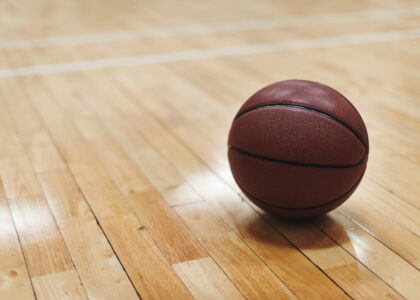
Maple wood sports floors are universally recognized as being the highest-rated flooring option available for conducting indoor sporting events, particularly in professional basketball arenas and training facilities. Because of the wood species’ strength, durability, and consistent grain pattern, maple wood is very popular for use in professional sporting events because they provide a safe and consistent surface, which enhances athlete performance and aesthetics.
For those who participate in professional leagues (i.e., NBA), maple wood is the preferred flooring material because of the superior ball bounce and shock absorption features.
Common components of maple floor systems include-
1) Solid maple hardwood planks
2) Shock-absorbing subfloor systems
3) Protective sports finishes.
These components work together to create a high-quality, high-performing surface that will support your indoor athletic competitions.
An Overview of Synthetic Sports Flooring
Synthetic sports floors are man-made surfaces intended to be as close to natural wood surfaces as possible, using materials such as vinyl, rubber, polyurethane or PVC. These types of surfaces offer many of the same performance characteristics as natural wood surfaces and provide the added benefits of being easier to maintain and install.
Synthetic sports flooring is used in places such as-
• Multipurpose indoor sports arenas.
• Schools.
• Community sports centers.
• Training facilities.
Due to their versatility, they are often the preferred surface for multi-sport indoor locations.
Main Differences Between Maple Wood and Synthetic Flooring
1. Performance/Ball Bounce
Maple Flooring
Maple hardwood flooring provides strong ball response and a consistent ball bounce, which is essential for certain sports (for example, basketball). The density of maple wood guarantees an athlete’s ability to perform at a high level with the same proposed ball bounce all of the time, and there is predictable performance during a game.
Synthetic Flooring
Although synthetic sports flooring provides good performance, the performance will vary from that of maple hardwood. Synthetic flooring systems have been designed specifically for use in sports; however, the ball bounce offered will differ from material to material.
Overall Winner- Maple hardwood flooring for elite athletes.
2. The Absorption of Shock and Comfort for Players
Maple Flooring
Sports floors made of wood have special subflooring systems to give flexibility and absorb shock. This reduces the stress that is exerted through the floor (to your joints) when you jump and land as well as helps prevent injury.
Synthetic Flooring
Many synthetic floors also have a cushion layer, however the shock absorption from the manufacturer and flooring type may vary.
Winner- Maple Flooring will typically be a more comfortable surface and absorb more shock than synthetic flooring.
3. Durability and Lifespan
Maple Flooring
Quality maple sports floors are able to last from 30 – 50 years with proper care. One of the major benefits of a wood floor is that it may be sanded down and refinished multiple times, returning the original look and function.
Synthetic Flooring
Synthetic floors typically last 10 – 20 years based on use. However, due to previous wear and tear, once the surface of the synthetic flooring becomes worn the flooring typically needs to be replaced, not refinished.
Winner- Maple Wood Flooring (for Long Term Durability)
4. Maintenance Requirements
Maple Flooring
The maintenance of wooden sports flooring will consist of-
• A daily routine of cleaning
• Controlling humidity
• Occasional polishing and refinishing
The maintenance of wooden sports flooring will require diligence in monitoring how to maintain the finish on the maple flooring in order to keep the wood from deteriorating.
Synthetic Flooring
Synthetic flooring is typically easy to maintain, requiring a simple routine for cleaning. Synthetic flooring has a smooth surface and will not require refinishing.
Winner- Synthetic Floors Will Require the Minimum Amount of Maintenance The following comparison summarizes the differences between maple wood flooring and synthetic flooring in the following categories- cost, aesthetic appeal, and compatibility with multiple sports.
5. Aesthetic Appeal
From an aesthetic standpoint, wooden courts feature a premium and professional look that adds to the atmosphere of indoor sports facilities. A high-polished wood finish will reflect overhead lighting very well and will give courts a classic appearance.
Whereas synthetic surfaces generally come in a variety of colors and/or patterns, they usually do not have the natural beauty associated with traditional hardwood courts.
Winner- maple wood flooring, for having an appealing appearance and a professional aesthetic.
6. Multi-Sport Compatibility
Although hard maple floors are ideal for play on the basketball and volleyball courts, they may not be suitable for use in situations where heavy equipment is used or different surface characteristics are required for some activities.
Synthetic sports flooring creates multi-purpose sports facilities and allows for the play of a variety of sports (including but not limited to) in accordance with specifications as outlined below-
• Badminton
• Indoor Futsal
• Fitness Training
• Recreational Sports
Winner– synthetic flooring, for its multi-sport compatibility/flexibility.
Selecting the Correct Sports Facility Flooring
Deciding Between Maple Wood Flooring or Synthetic Flooring in your Sports Facility Comes Down to What You Want to Accomplish or Achieve with Your Facility.
Choose Maple Wood Flooring If You Want-
• To create courts for basketball or volleyball on a professional level.
• long lasting durability – yes, maple wood flooring is very durable and will last for many years with minimal wear and tear.
• To provide a high-end finished product for your customers.
• To Build An Arena/Academy/Collegiate Sports or a Professional Sports Complex.
Choose Synthetic Flooring If You Want-
• A multi-sport & multi-purpose facility.
• Have a limited budget to spend on flooring.
• Rapid installation time and low cost for maintenance.
• A facility that will be used for community recreation and training to develop future athletes.
Why Should You Choose Turf2Play as Your Indoor Flooring Supplier?
Turf2Play has extensive experience in providing quality installations of different surfaces at all levels of competition. Our employees have years of experience designing and installing flooring for many types of sports facilities and will help you design a floor that best meets your needs.
Some of the many products/services we provide include-
• Professional hardwood courts for basketball, volleyball, tennis, and more.
• High-performing synthetic surfaces designed specifically for each sport.
• Custom-designed courts and court markings.
• End-to-end service and installation of all products from beginning to end.
Regardless of whether you select synthetic or natural wood as your facility floor, we can help ensure that both options deliver a safe and efficient playing surface.
Conclusion
Maple and synthetic are both great choices for flooring used for indoor sports. Most professional basketball and volleyball courts are built with maple hardwood due to its excellent performance, durability, and traditional look. Synthetic sports floor systems can also be an effective, low-cost choice with great versatility for providing multi-purpose sports facilities.
Being knowledgeable about the advantages of both types of flooring will help sports facility owners determine the best choice to meet their performance requirements and budget. By using Turf2Play’s expertise in developing quality sports infrastructure, you can make sure you have designed your indoor courts with a complete range of function supporting athletes, gameplay, and durability.
About the Author