

The use of green-space can greatly improve usability, appearance, and comfort of homes, businesses, and public places. When it comes time for them to decide between natural grass and artificial turf for how they want their lawns, landscapes, sports fields and recreational spaces built, it is often difficult for property owners and planners alike to select the best option for their needs. Each of these types of grass has both advantages and disadvantages, and the best type of grass to choose is based on such things as maintenance requirements and budget, as well as usage and environmental factors.
OSMS Turf believes that understanding both options will allow property owners, planners, and businesses to make o informed decision when selecting which of these two types of grass to purchase/use. This article will discuss the differences of both types of grass with respect to their appearance, maintenance, cost, durability, effects on our environment, safety and suitability.
1. Visual Appeal and Appearance of Both Types of Grass
Natural Grass
The natural appearance of grass is authentic, and is reminiscent of the outdoors, and natural beauty. When properly cared for, it creates a soft surface with natural fragrances, and cools when we are outside which allows us the most comfort while outdoors.
Artificial Turf
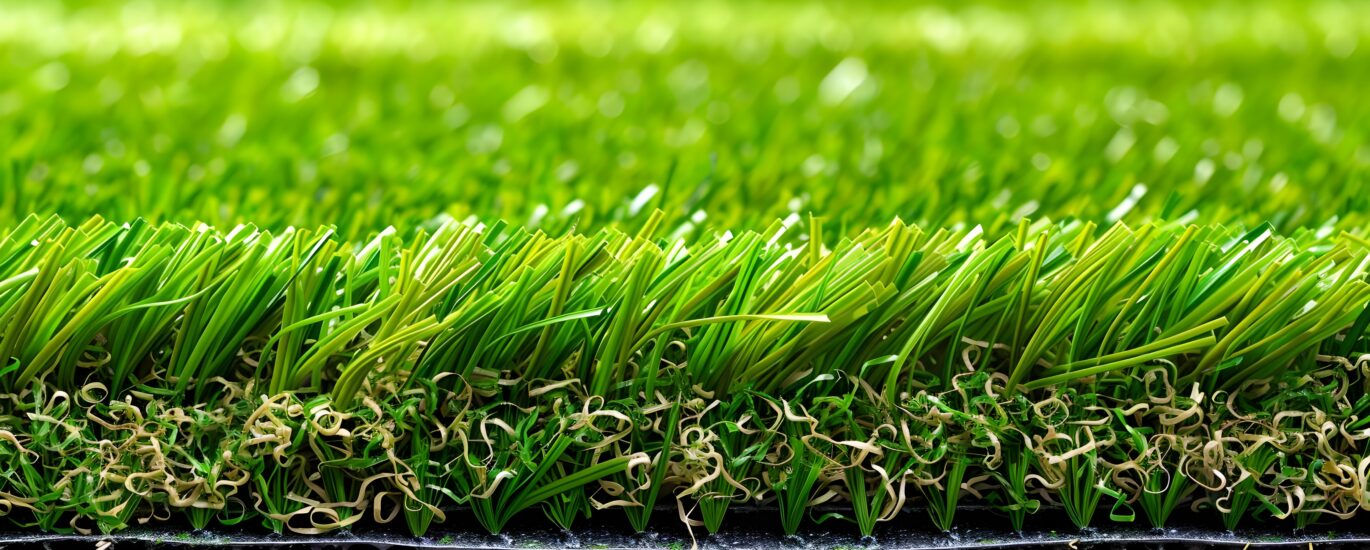
The modern synthetic surface mimics the colour, feel, and appearance of natural grass. With new manufacturing techniques, synthetic grass has been improved to provide a look that closely resembles real grass. Synthetic grass has a uniform green colour all year long, while real grass becomes brown and patchy if not properly maintained.
Artificial Turf Pros
• Has a uniform green colour all year
• No bare spots or colour fading
• Holds the same shape and density over time
Artificial Turf Cons
• Does not have the scent of natural grass
• The visual quality of synthetic grass can vary greatly based on the product quality
2. Maintenance Requirements
Natural Grass
Natural grass requires regular maintenance, which can be time-consuming and require a large amount of resources (water, fertilizer, etc.). Regular lawn mowing, watering, fertilizing, controlling weeds, and controlling pests are required to keep natural grass healthy.
Main sources of maintenance for natural grass include:
• Frequent watering and irrigation
• Lawn mowing and edging
• Fertilizers and pesticides
• Aerating soil and reseeding
• Controlling weeds and pests
These maintenance activities will add long-term costs for maintaining natural grass and will require regular attention to keep the lawn looking its best.
Artificial Turf
Artificial turf requires minimal maintenance. Once installed, the only maintenance required for artificial grass is to clean off any debris (leaves, dust, etc.) and occasionally brush the grass fibers upright. Artificial grass will not age or fade, and rain will lightly rinse off any dirt or debris.
Main sources of maintenance for artificial turf include:
• Removing leaves, dust, and other debris from the grass surface
• Occasionally brushing the grass fibers upright
• Occasionally using light water to rinse debris from the grass
3. Water Use & Environmental Impact
Natural Grass
Natural grass consumes considerable amounts of water, particularly in hot or dry areas. In cities it adds to water shortages and increases utility bills.
Environmental Issues:
• High volume of water needed to maintain grass.
• Chemicals from fertilisers and pesticides entering the water supply.
• High levels of carbon produced by using lawn care equipment (mowers, blowers, etc.).
Artificial Turf
In regions with low water supply, artificial turf is the best option because it does not require irrigation.
Environmental Benefits:
• Uses significant quantities of water.
• No fertiliser or pesticide application.
• Low long-term use of resources.
4. Durability & Traffic Endurance
Natural Grass
Natural grass does not perform well in high-traffic areas. Heavy foot traffic compacts soil, hurts the roots, and causes muddy and/or uneven surfaces.
Weaknesses:
• Limited ability to sustain heavy foot traffic.
• Limited ability to recover from injury quickly.
• Cannot be used on a continuous basis.
Artificial Turf
Artificial turf is designed to hold up against high levels of foot traffic and continuous use without deteriorating.
Strengths:
• Holds its structure under continuous usage.
• Offers excellent drainage, which helps prevent water from pooling.
• Can be used for sporting events, commercial properties, and public spaces.
5. Short-Term vs Long-Term Cost Comparison
Natural Grass
Typically has a lower cost to install initially but will have higher long-term costs.
Natural grass will incur ongoing expenses such as:
- Water bill
- Maintenance labour
- Fertiliser and pesticides
- Repairs and reseeding
Artificial Turf
Will incur a higher initial investment, but will save many dollars over time.
Artificial turf will have the following cost savings:
- Minimal ongoing expenses
- Longevity (approximately 8 – 15 years or greater)
- Reduced maintenance and water costs
Commercial and Urban Applications: In general, artificial turf has a lower total cost of ownership than natural grass.
6. Safety and Hygiene
Natural Grass
Natural grass can become very slippery when wet and has the potential for creating uneven surfaces which will create a higher risk of injury.
Some of the concerns with natural grass include:
- The presence of mud and puddles after rains
- Insects, pests, and allergens
- Uneven surface
Artificial Turf
Provides a stable, flat, and uniform surface with rapid drainage, making it safer and more hygienic.
Some of the benefits of artificial turf are:
- Risk of slipping and tripping reduced
- Resistant to pests
- Available options for children and pets
- Cleaner and more hygienic surface
7. Weather Performance
Natural Grass
Natural grass is affected by weather fluctuations. Too much rain will produce mud; too much heat will produce a dry and discoloured turf.
Artificial Turf
Artificial turf has a consistent performance throughout the seasons and regardless of weather conditions.
Some of the advantages of artificial turf are as follows:
- Rapid drainage of rain
- Suitable for year-round use
8. Application Suitability
Natural Grass: The Ideal Use
• Private gardens or yards with little foot traffic
• Large open spaces with an endless supply of water
• Native ecosystems that support natural wildlife
Artificial Turf: The Optimal Use
- Urban landscape projects
- Commercial properties
- Rooftops and balconies
- Sports and recreation facilities
- Playgrounds and pet areas
Why Choose Artificial Turf from OSMS Turf?
At OSMS Turf, we provide high-performance artificial turf products that suit the current trends in landscaping. Our artificial turf combines realistic looks, long-lasting durability, safety, sustainability and are the perfect fit for homes, businesses and municipalities.
The Benefits of Choosing OSMS Turf
• High-quality materials used in manufacturing
• UV-Stable and weather-proof artificial turf products
• Creating custom products for our customers’ unique needs
• Offering professional guidance and installation
Conclusion
Both natural grass and artificial turf have their part to play in landscaping projects. Natural grass provides a more authentic and natural appearance, but it requires a lot of resources, time and effort to care for and maintain. Artificial turf is an excellent, eco-friendly and long-term (both in usage and savings) alternative to natural grass, especially in the urban and commercial building landscape of today.
For consistent beauty, long-lasting use, and great long-term savings/use, artificial turf from OSMS Turf is the best option and an investment in your future!
About the Author