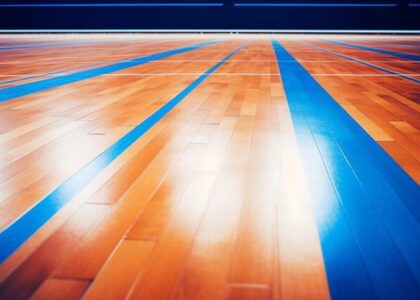


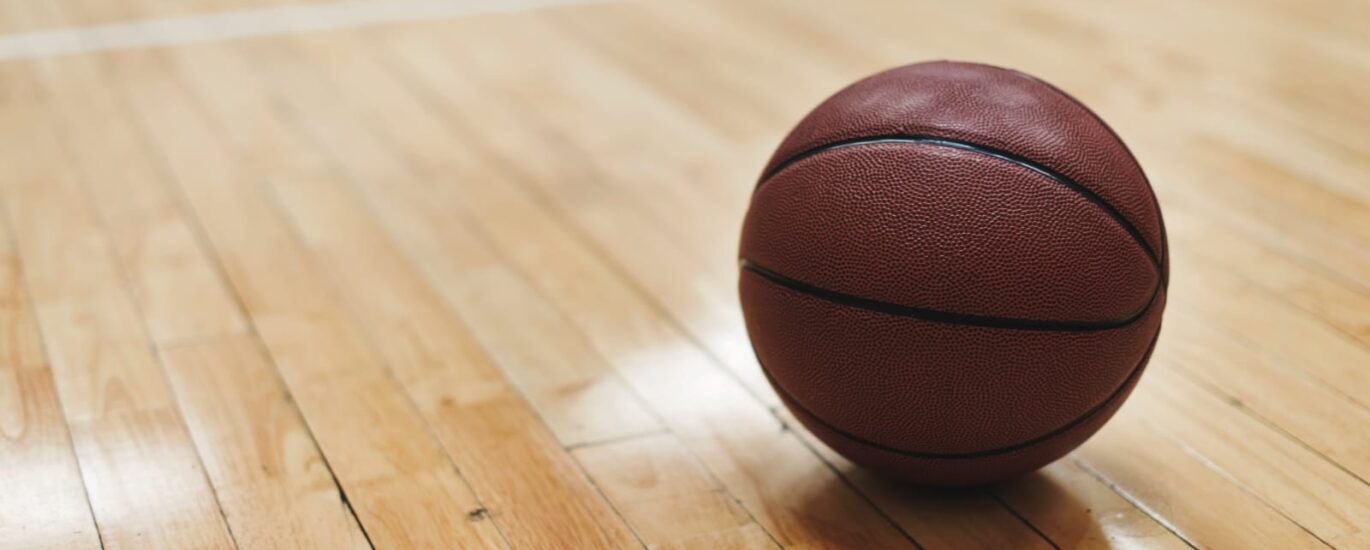
Indoor sports infrastructure in India has evolved rapidly over the last decade. From badminton academies and basketball arenas to school gymnasiums and multi-purpose sports complexes, the demand for high-quality indoor courts is growing faster than ever. But while people often focus on lighting, seating, or equipment, one of the most important investments in any indoor sports facility is the flooring.
And when it comes to premium indoor sports surfaces, wooden sports flooring continues to lead the industry.
Whether you are building a badminton academy, upgrading a school sports hall, or planning a professional indoor arena, choosing the right wooden sports flooring can directly impact athlete safety, game performance, maintenance costs, and the long-term value of your facility.
This complete buyer’s guide will help you understand everything you need to know before investing in wooden sports flooring in India from materials and pricing to installation, maintenance, and key factors to consider.
Why Wooden Sports Flooring is So Popular
Wooden sports flooring has long been considered the benchmark for professional indoor courts. International basketball arenas, badminton stadiums, squash courts, and volleyball halls widely use hardwood flooring because of its performance advantages.
Unlike ordinary flooring, sports hardwood systems are specifically designed to absorb impact, provide balanced traction, and support fast athletic movement. This is especially important for sports that involve jumping, lunging, pivoting, and quick direction changes.
The biggest reasons why wooden sports flooring remains highly preferred include-
- Excellent shock absorption
- Better player safety
- Professional ball bounce
- Long lifespan
- Premium appearance
- Comfortable playing experience
- International-standard performance
In India, where indoor sports participation is growing rapidly, hardwood flooring is increasingly becoming the preferred choice for premium sports facilities.
Types of Wooden Sports Flooring in India
One of the first things buyers should understand is that not all wooden sports flooring is the same. Different materials and systems are used depending on the sport, budget, and level of competition.
1. Solid Hardwood Flooring
Solid hardwood is the most premium type of sports flooring used in professional indoor courts.
Common hardwood options include-
- Maple wood
- Oak wood
- Beech wood
- Teak wood
Maple is considered the industry standard globally because of its durability, shock resistance, and consistent grain structure.
Solid hardwood flooring provides-
- Superior durability
- Excellent ball rebound
- Premium aesthetics
- Long-term performance
However, it also requires higher investment and careful environmental control.
2. Engineered Wooden Sports Flooring
Engineered wood flooring is becoming increasingly popular in India because it handles humidity variations better than solid wood.
This type of flooring consists of multiple wood layers bonded together, making it more stable in changing weather conditions.
Advantages include-
- Better moisture resistance
- Lower expansion and contraction
- More cost-effective than solid hardwood
- Easier maintenance
Engineered flooring is widely used in schools, academies, and multi-purpose indoor sports facilities.
3. Sprung Wooden Flooring Systems
Professional sports courts often use sprung flooring systems. These floors include cushion pads and subfloor systems beneath the wooden surface to improve shock absorption.
A sprung floor helps reduce stress on-
- Knees
- Ankles
- Lower back
- Hip joints
This becomes especially important for athletes who train for long hours daily
Which Sports Use Wooden Flooring?
Wooden sports flooring is ideal for several indoor sports, including-
- Basketball
- Badminton
- Volleyball
- Squash
- Futsal
- Table Tennis
- Indoor training facilities
Many indoor stadiums also use wooden flooring for multi-purpose sports halls because of its versatility and professional feel.
Key Factors to Consider Before Buying
Choosing the right sports flooring involves much more than selecting a wood type. Buyers should carefully evaluate several important factors before making a decision.
1. Type of Sport
Different sports require different flooring characteristics.
For example-
- Basketball requires strong ball bounce and impact absorption
- Badminton demands excellent grip and footwork support
- Squash courts require durable shock-resistant flooring
- Multi-purpose halls need versatile performance
Understanding the primary sport usage helps determine the right flooring system.
2. Shock Absorption
Shock absorption is one of the most critical features in sports flooring.
High-quality wooden flooring systems include-
- Cushion pads
- Resilient subfloors
- Floating floor structures
These components reduce the impact on players’ joints and improve comfort during long playing sessions.
Lower-quality flooring may feel harder and increase injury risks over time.
3. Moisture and Climate Conditions
India’s climate varies significantly across regions. Humidity and temperature changes can affect wooden flooring performance.
Wood naturally expands and contracts depending on environmental conditions.
That is why buyers should consider-
- Proper ventilation
- Moisture barriers
- Humidity control systems
- Engineered wood options
This is especially important in coastal or highly humid cities.
4. Flooring Thickness and Construction
A professional wooden sports floor is not just a wooden surface placed on concrete.
A proper flooring system usually includes-
- Hardwood top layer
- Plywood or runner system
- Rubber cushion pads
- Vapor barriers
- Leveling structure
The thickness and quality of these layers directly affect performance and durability.
5. Certifications and Standards
Professional indoor courts should ideally follow recognized sports flooring standards.
Look for systems compliant with-
- FIBA standards
- BWF guidelines
- MFMA specifications
- EN sports flooring standards
Certified systems generally offer better reliability and performance consistency.
Wooden Sports Flooring Price in India
Pricing varies depending on the wood type, system quality, and installation complexity.
In India, premium wooden sports flooring generally costs between-
- ₹700 to ₹1,200 per sq. ft. for professional hardwood systems Factors affecting pricing include-
- Imported vs domestic wood
- Subfloor system quality
- Cushion technology
- Installation standards
- Court size
- Customization requirements
Although the upfront cost may appear higher than synthetic alternatives, wooden sports flooring usually delivers better long-term value due to its durability and refinishing capability.
Wooden Flooring vs Synthetic Flooring
Many buyers in India often compare wooden flooring with synthetic PVC or vinyl flooring before making a decision.
Wooden Flooring Advantages
- Premium professional feel
- Better aesthetics
- Excellent shock absorption
- Superior ball response
- Long lifespan
- Preferred for professional sports
Synthetic Flooring Advantages
- Lower initial cost
- Easier maintenance
- Faster installation
- Better moisture resistance
- Good for schools and budget projects
Professional indoor facilities still largely prefer wooden flooring because of its natural playing experience and superior performance.
Installation Matters More Than Most Buyers Realize
One of the biggest mistakes facility owners make is focusing only on flooring material while ignoring installation quality.
Even premium hardwood can fail if installed improperly.
Proper installation requires-
- Accurate leveling
- Moisture testing
- Expansion gap planning
- Correct subfloor alignment
- Precision finishing
A poorly installed court may develop-
- Uneven surfaces
- Noise issues
- Warping
- Gaps
- Reduced shock absorption
That is why choosing an experienced sports flooring contractor is just as important as choosing the flooring itself.
Maintenance Requirements
Wooden sports flooring does require regular care, but maintenance is not as difficult as many people assume.
Routine maintenance includes-
- Daily dust cleaning
- Moisture control
- Regular inspections
- Protective coatings
- Periodic refinishing
With proper maintenance, hardwood sports floors can easily last 15–20 years or more.
Unlike synthetic flooring that may need full replacement after wear, wooden flooring can often be sanded and refinished multiple times.
Common Mistakes Buyers Should Avoid
Choosing Based Only on Price
The cheapest flooring option often leads to higher long-term repair and maintenance costs.
Ignoring Climate Conditions
Humidity-related expansion and contraction issues are common when flooring is installed without proper environmental planning.
Compromising on Subfloor Quality
The performance of a sports floor depends heavily on the underlying structure.
Hiring Non-Specialized Installers
Sports flooring installation is highly specialized and should only be handled by experienced professionals.
Is Wooden Sports Flooring Worth the Investment?
For facilities focused on professional gameplay, long-term durability, and premium user experience, wooden sports flooring is absolutely worth the investment.
It offers-
- Better athlete comfort
- Reduced injury risk
- Professional aesthetics
- Long lifespan
- Superior sports performance
That is why hardwood continues to dominate premium indoor sports infrastructure across the world.
Conclusion
Building a high-quality indoor sports facility starts from the ground up. The flooring you choose directly affects player safety, gameplay quality, maintenance costs, and the overall experience of your facility.
Wooden sports flooring remains the gold standard because it combines comfort, durability, aesthetics, and professional-level performance in a way that very few alternatives can match.
For sports facility owners, schools, academies, and indoor arena developers in India, investing in the right wooden sports flooring system is not just about building a court it is about creating an environment where athletes can perform at their best.
As the Indian sports industry continues to grow, the demand for premium indoor infrastructure will only increase. And in that future, wooden sports flooring will continue to remain at the heart of world-class indoor courts.
About the Author