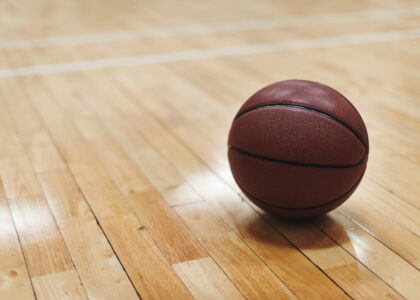


When it comes to indoor sports infrastructure, the flooring beneath an athlete’s feet matters just as much as the game itself. Whether it’s a fast-paced basketball match, an intense badminton rally, or a competitive volleyball game, the surface directly affects performance, safety, comfort, and durability. Over the years, many flooring options have entered the market synthetic vinyl, rubber, PU coatings, and modular tiles but wooden sports flooring continues to remain the gold standard for indoor courts.
From international arenas to school gymnasiums, wooden courts are trusted by athletes, coaches, and sports facility owners across the world. There’s a reason why professional basketball leagues, badminton academies, and premium indoor sports centers still prefer hardwood flooring systems. It delivers the perfect balance of performance, player safety, aesthetics, and longevity.
The Importance of Flooring in Indoor Sports
Indoor sports demand quick movements, sudden direction changes, jumps, slides, and continuous footwork. A poor-quality surface can negatively impact gameplay and increase the chances of injuries. The right flooring, however, enhances movement, improves shock absorption, and creates a more professional sporting environment.
Wooden sports flooring is specifically engineered to support athletic performance. Unlike ordinary wooden floors used in homes or commercial spaces, sports hardwood systems are designed with advanced cushioning and subfloor technologies that help absorb impact and reduce strain on players’ joints.
This is one of the biggest reasons why hardwood continues to dominate premium indoor sports facilities.
Superior Shock Absorption and Player Safety
One of the standout advantages of wooden sports flooring is its exceptional shock absorption capability. Sports like basketball, badminton, squash, and volleyball involve repetitive jumping and rapid movement. Over time, hard surfaces can create excessive stress on knees, ankles, hips, and lower back muscles.
Wooden flooring systems are designed to reduce this impact significantly. Most professional-grade courts use layered construction with shock pads and resilient subfloors that absorb energy during movement. This cushioning effect minimizes fatigue and helps prevent long-term injuries.
Athletes often notice the difference immediately when transitioning from concrete or synthetic surfaces to hardwood courts. The body experiences less strain, allowing players to train for longer durations without discomfort.
In community discussions around indoor sports surfaces, many players also mention that hardwood feels noticeably easier on the joints compared to concrete-based courts
For schools, academies, and sports clubs, this safety factor becomes even more important because injury prevention directly impacts player confidence and long-term participation.
Excellent Ball Bounce and Game Performance
Consistency is critical in indoor sports. Athletes rely heavily on predictable ball movement and surface response. Wooden sports flooring offers excellent ball rebound characteristics, making gameplay smoother and more accurate.
This is one of the main reasons professional basketball courts worldwide are built using maple hardwood flooring. The material provides a uniform playing surface that ensures consistent bounce across every part of the court.
In badminton and squash, wooden flooring supports fast footwork while maintaining enough surface responsiveness for high-speed play. The balance between grip and flexibility allows players to move naturally without losing control.
Unlike low-quality synthetic surfaces that may become uneven over time, hardwood courts maintain reliable performance for years when properly maintained.
Perfect Balance Between Grip and Slide
An ideal sports surface should neither be too slippery nor too rough. Excessive grip can increase stress on joints during sudden stops, while slippery surfaces increase the risk of falls.
Wooden sports flooring delivers the perfect balance between traction and controlled sliding. This is especially important in sports involving lateral movement and rapid pivots.
Players can sprint, stop, turn, and jump confidently without feeling unstable. This natural movement improves both performance and comfort during gameplay.
High-quality hardwood flooring systems are carefully finished with sports-grade coatings that help maintain this balance consistently across the entire court.
Exceptional Durability and Long Lifespan
Indoor sports facilities experience heavy daily usage. From training sessions and tournaments to recreational play, the flooring must withstand constant wear and tear.
Wooden sports flooring is known for its durability and long lifespan. Premium hardwoods like maple and oak are naturally resistant to impact and abrasion, making them ideal for high-performance courts.
When maintained correctly, a hardwood sports floor can last for decades. Unlike many synthetic alternatives that require complete replacement after years of use, wooden floors can often be refinished and restored multiple times.
This makes them a smart long-term investment for sports complexes, schools, universities, and indoor arenas.
Although the initial installation cost may be higher than some synthetic flooring systems, the longevity and performance benefits usually justify the investment over time.
Professional Appearance and Premium Feel
There is something visually iconic about a polished wooden indoor court. The clean finish, natural grain patterns, and professional appearance instantly elevate the atmosphere of a sports facility.
Wooden flooring creates a premium sporting environment that players and spectators appreciate alike. Whether it’s a basketball arena, badminton academy, or multi-sport indoor hall, hardwood courts add a sense of professionalism and prestige.
For sports facility owners, aesthetics also influence branding and customer experience. A well-designed indoor court with premium wooden flooring often becomes more attractive for tournaments, memberships, and sports events.
In today’s competitive sports infrastructure market, the overall look and feel of a facility can significantly impact user preference.
Ideal for Multi-Purpose Indoor Sports Facilities
Modern indoor sports facilities are often designed to host multiple activities rather than a single sport. Wooden sports flooring works exceptionally well in multi-purpose environments because of its versatility.
A properly designed hardwood court can accommodate-
- Basketball
- Badminton
- Volleyball
- Futsal
- Squash
- Indoor fitness activities
- Recreational events
This flexibility makes wooden flooring an excellent choice for schools, universities, community centers, and commercial sports arenas looking to maximize space utilization.
The flooring can also be customized with different court markings to support multiple games simultaneously.
Compliance with International Standards
Professional sports flooring systems must meet strict performance and safety standards. High-quality wooden sports flooring is often designed according to international sports guidelines and certifications.
Many premium hardwood flooring systems comply with standards set by organizations such as-
- FIBA (Basketball)
- BWF (Badminton)
- WSF (Squash)
- International indoor sports federations
This ensures that the flooring delivers consistent shock absorption, ball rebound, friction levels, and structural stability.
For academies and professional training centers, using certified flooring becomes important for hosting competitive events and maintaining professional-quality gameplay.
Easy Maintenance and Long-Term Value
Contrary to popular belief, maintaining wooden sports flooring is relatively straightforward when proper care practices are followed.
Routine maintenance usually involves-
- Regular dust cleaning
- Moisture control
- Periodic polishing
- Surface refinishing after years of use
Unlike certain synthetic surfaces that may crack, peel, or lose elasticity over time, hardwood courts can be restored without needing a complete replacement
This significantly improves long-term value for facility owners.
With proper upkeep, a wooden sports floor can continue performing at a high level for decades while retaining its visual appeal.
Why Wooden Flooring Continues to Lead the Industry
Despite the emergence of alternative indoor sports surfaces, wooden sports flooring continues to dominate premium sports infrastructure worldwide. The combination of athlete safety, performance enhancement, durability, aesthetics, and versatility makes it difficult for other flooring systems to match its overall value.
Professional athletes prefer it. Coaches trust it. Sports organizations recommend it. Facility owners invest in it because it consistently delivers a superior playing experience.
That is why hardwood flooring remains the benchmark for world-class indoor courts.
Conclusion
The quality of a sports facility is never defined only by its size or equipment. The playing surface itself plays a massive role in shaping athlete performance and user experience. Wooden sports flooring has earned its reputation as the gold standard because it delivers where it matters most comfort, safety, consistency, and long-term reliability.
As indoor sports continue to grow in popularity across India and globally, demand for premium court infrastructure will only increase. Platforms like Turf2Play are helping players discover and access better sports experiences, and high-quality indoor wooden courts remain a key part of that journey.
Whether it’s a professional arena, a badminton academy, a school sports hall, or a multi-purpose indoor facility, investing in wooden sports flooring is ultimately an investment in better gameplay, athlete well-being, and the future of sports itself.
About the Author