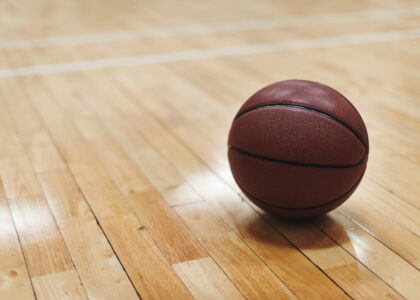



Choosing the right sports flooring is one of the most important decisions when building or upgrading an indoor sports facility. The flooring directly affects athlete performance, player safety, maintenance costs, durability, aesthetics, and the overall playing experience.
Today, two of the most popular indoor sports flooring options are wooden sports flooring and vinyl sports flooring. Both are widely used across basketball courts, badminton academies, school gymnasiums, fitness centers, and multi-purpose indoor arenas. However, each flooring type comes with its own strengths, limitations, and ideal use cases.
For facility owners, schools, sports academies, and indoor arena developers, the decision between wooden and vinyl sports flooring often comes down to balancing performance, budget, maintenance, and long-term operational goals.
So which one is better?
The answer depends entirely on your facility requirements, budget, usage patterns, and the type of experience you want to create.
In this ultimate comparison guide, we’ll break down the key differences between wooden and vinyl sports flooring to help you make the right investment for your indoor sports facility.
Understanding Wooden Sports Flooring
Wooden sports flooring is considered the traditional premium standard for indoor sports courts. It is widely used in professional basketball arenas, badminton stadiums, squash courts, and high-end sports facilities worldwide.
Most professional hardwood courts use materials such as-
- Maple wood
- Oak wood
- Beech wood
Wooden sports flooring systems are usually installed over shock-absorbing subfloors that help improve player comfort and reduce injury risks.
Hardwood flooring is known for-
- Professional appearance
- Excellent ball bounce
- Superior aesthetics
- Long lifespan
- Premium playing experience
Because of these qualities, wooden flooring remains highly preferred for professional indoor sports infrastructure.
Understanding Vinyl Sports Flooring
Vinyl sports flooring is a synthetic sports surface made using PVC and foam-based layers designed for indoor athletic activities.
Modern vinyl sports flooring systems are engineered to provide-
- Shock absorption
- Surface grip
- Player comfort
- Moisture resistance
- Easy maintenance
Vinyl flooring has become increasingly popular in India because it offers a practical and cost-effective solution for indoor sports facilities.
It is commonly used in-
- Badminton courts
- School sports halls
- Recreational centers
- Fitness studios
- Multi-purpose indoor arenas
Over the past few years, vinyl flooring has rapidly gained popularity because of its affordability, versatility, and low maintenance requirements.
Performance Comparison
Wooden Flooring Performance
Wooden sports flooring is widely regarded as the benchmark for professional sports performance.
Hardwood courts provide-
- Consistent ball rebound
- Natural movement feel
- Balanced traction
- Excellent player responsiveness
This is one of the reasons professional basketball and badminton tournaments are commonly played on wooden courts.
Athletes often prefer hardwood because the surface feels more stable and responsive during high-level gameplay.
Vinyl Flooring Performance
Modern vinyl flooring has improved significantly in recent years and now offers very good sports performance for most indoor applications.
High-quality vinyl flooring provides-
- Good grip and traction
- Comfortable cushioning
- Smooth movement
- Reliable foot support
While professional athletes may still prefer hardwood for elite competition, vinyl flooring delivers excellent performance for schools, academies, recreational sports, and commercial indoor facilities.
Comfort and Shock Absorption
Wooden Flooring
Professional wooden sports floors often use sprung flooring systems with cushion pads and floating subfloors.
This creates excellent shock absorption and reduces stress on-
- Knees
- Ankles
- Lower back
- Hip joints
Wooden flooring is particularly comfortable for athletes involved in long training sessions and competitive sports.
Vinyl Flooring
Vinyl sports flooring also provides good shock absorption because of its cushioned foam layers.
It offers-
- Comfortable movement
- Reduced impact stress
- Better fatigue management
For most recreational and training environments, vinyl flooring provides more than sufficient comfort and safety.
However, premium hardwood systems may still offer slightly superior energy return and responsiveness for professional-level athletes.
Durability Comparison
Wooden Flooring
High-quality hardwood flooring is extremely durable and can last for decades with proper maintenance.
One major advantage is that wooden floors can be-
- Sanded
- Refinished
- Restored multiple times
This significantly extends the lifespan of the court.
However, wooden flooring is also more sensitive to environmental conditions like moisture and humidity.
Vinyl Flooring
Vinyl flooring is highly durable for everyday indoor sports usage.
It is resistant to-
- Surface wear
- Foot traffic
- Moisture exposure
- Daily athletic activity
Although vinyl flooring may not last as long as premium hardwood over several decades, it performs exceptionally well for most indoor facilities and requires less structural maintenance.
Maintenance Requirements
Wooden Flooring Maintenance
Wooden flooring requires more careful maintenance.
Facility owners must manage-
- Humidity levels
- Moisture exposure
- Surface recoating
- Periodic refinishing
Improper maintenance can lead to-
- Warping
- Gaps
- Surface scratches
- Finish damage
While hardwood offers excellent longevity, maintaining it properly requires more effort and cost.
Vinyl Flooring Maintenance
Vinyl flooring is much easier to maintain.
Routine maintenance generally includes-
- Sweeping
- Vacuum cleaning
- Damp mopping
- Basic surface cleaning
There is no need for sanding or refinishing.
For facilities with heavy daily usage and limited maintenance resources, vinyl flooring offers major operational advantages.
Moisture Resistance
Wooden Flooring
Wood naturally reacts to moisture and humidity changes.
Excess moisture can cause-
- Expansion
- Contraction
- Warping
- Surface damage
This makes environmental control important for hardwood courts.
Vinyl Flooring
Vinyl flooring performs much better in humid conditions.
It is highly resistant to-
- Moisture
- Water spills
- Seasonal climate changes
This makes vinyl flooring especially suitable for Indian weather conditions, particularly in coastal and humid regions.
Aesthetic Appeal
Wooden Flooring
Wooden sports flooring is often considered visually superior because of its natural grain patterns and polished professional appearance.
Hardwood courts create a premium atmosphere and are commonly associated with elite sports venues.
The visual appeal of hardwood flooring adds prestige and professionalism to a sports facility.
Vinyl Flooring
Vinyl flooring offers a more modern and customizable look.
Facilities can choose from-
- Multiple colors
- Surface textures
- Court designs
- Branding options
Vinyl courts often appear vibrant and contemporary, especially in schools and recreational centers.
While vinyl may not replicate the iconic feel of hardwood, it still offers highly attractive visual possibilities.
Installation Process
Wooden Flooring Installation
Installing wooden sports flooring is more complex and time-consuming.
It usually involves-
- Subfloor preparation
- Cushion systems
- Moisture barriers
- Precision leveling
- Wood plank installation
This increases both project duration and installation cost.
Vinyl Flooring Installation
Vinyl flooring is faster and easier to install.
In many cases, it can be installed directly over prepared concrete surfaces, reducing construction timelines significantly.
For facilities looking for quicker project completion, vinyl flooring offers clear advantages.
Cost Comparison
Wooden Flooring Cost
Wooden sports flooring generally involves higher costs because of-
- Premium materials
- Complex installation
- Specialized subfloor systems
- Maintenance requirements
However, hardwood also offers premium value and long-term lifespan.
Vinyl Flooring Cost
Vinyl flooring is more affordable and budget-friendly.
It helps reduce-
- Initial investment
- Installation costs
- Long-term maintenance expenses
This makes vinyl flooring highly attractive for schools, academies, and commercial facilities operating within budget constraints.
Best Use Cases for Wooden Flooring
Wooden sports flooring is ideal for-
- Professional indoor arenas
- Elite basketball courts
- Premium badminton academies
- High-end sports clubs
- Facilities prioritizing aesthetics and prestige
If the goal is to create a world-class premium sports environment, hardwood flooring remains one of the best choices available.
Best Use Cases for Vinyl Flooring
Vinyl sports flooring is ideal for-
- Schools
- Multi-purpose sports halls
- Recreational sports facilities
- Fitness centers
- Budget-conscious indoor projects
- High-usage commercial facilities
Its practicality, affordability, and low maintenance make it highly versatile for modern sports infrastructure.
Which Flooring is Better?
There is no single “perfect” answer because both flooring systems serve different needs.
Choose Wooden Sports Flooring If-
- You want premium aesthetics
- Professional-level gameplay is the priority
- Budget is less restrictive
- Long-term prestige matters
- You are building elite sports infrastructure
Choose Vinyl Sports Flooring If-
- Budget efficiency is important
- You need low maintenance
- Faster installation is required
- Multi-purpose usage is a priority
- Humidity resistance matters
Ultimately, the best flooring choice depends on your facility goals, user expectations, and operational requirements.
Conclusion
Both wooden and vinyl sports flooring offer excellent benefits for indoor sports facilities. Wooden flooring continues to represent the premium traditional standard for professional indoor courts, while vinyl flooring has emerged as a highly practical and cost-effective modern alternative.
Wooden flooring excels in aesthetics, elite-level performance, and long-term prestige. Vinyl flooring stands out for affordability, low maintenance, moisture resistance, and versatility.
As India’s indoor sports industry continues to expand rapidly, both flooring systems will continue playing important roles in shaping modern sports infrastructure.
For sports facility owners, the smartest decision is not simply choosing the “better” flooring it is choosing the flooring that best aligns with the needs of the facility, the athletes, and the long-term vision of the project.
Whether you choose hardwood or vinyl, investing in high-quality sports flooring is ultimately an investment in better athlete experience, safer gameplay, and stronger long-term facility value.
About the Author