

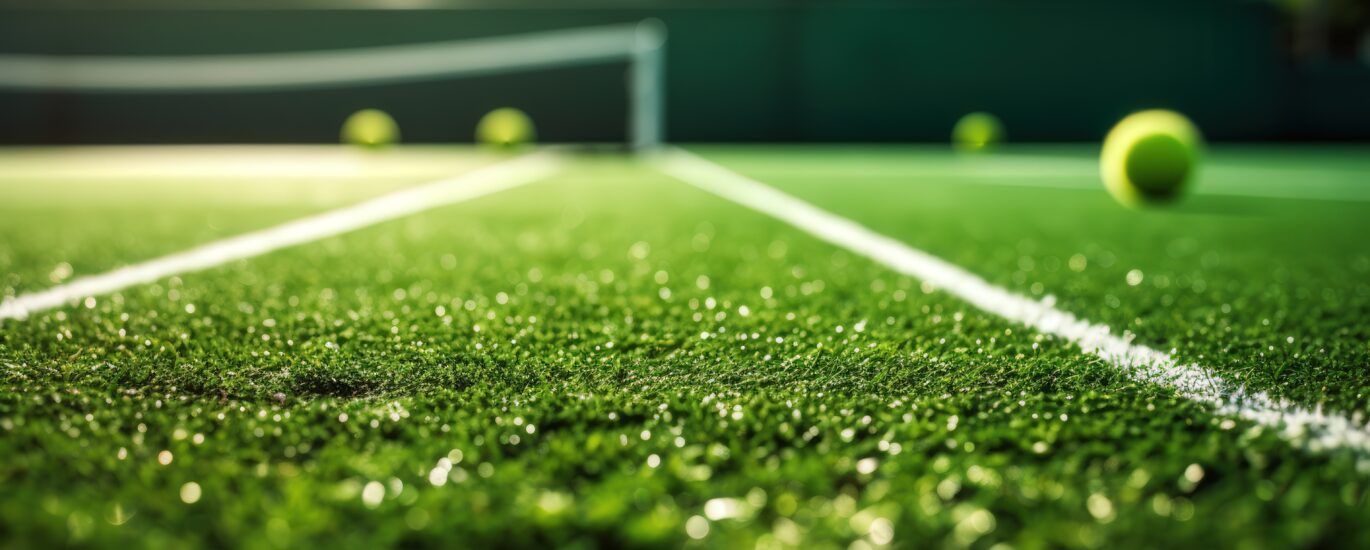
There are various pleasant aspects associated with sliding on a clay court and your nerves worrying about whether the court is maintained, or even dodging unpredictable bounces on grass as it turns to mud after a rain storm. Those old systems, whatever their faults, provided a purpose, but players want more. Artificial tennis turf , therefore, is the intelligent choice, as it combines the feel of natural grass with the performance characteristics of synthetics. So far, we have seen great increases in the demand for synthetic tennis court surfaces for both professional games and backyard fun. Quality artificial tennis turf is so much more than carpet, as it has been designed to provide true ball response and an element of safety for players and to provide less maintenance. As more consumers want only the best in tennis turf, we know the end result is perfect tennis game every time.
Understanding the Features of Modern Tennis Turf
Modern turf has evolved and is now so much more than just the tech, but is full of intelligent features designed to provide you the best feeling of playing on real grass without the burdens associated. The tall shorter fibers, soft cushioning infill between every step, and fast-draining bases will enhance your play to a whole other level. A closer look at all of the things that make a good tennis turf successful. Material Composition- Polyethylene vs. Nylon
Most artificial tennis turf has a backbone of polyethylene. It gives very good ball bounce, much like the bounce from a soft lawn. Players just love how shots zip along with control.
Nylon shines in toughness and that natural grip underfoot. It can hold up to heavy foot traffic without fraying quick. Still, it feels stiffer, thus may tire the legs on long rallies.
Each material serves different purposes. Polyethylene is best suited for cooler locations and allows for softer, easier play. Nylon’s durability serves hotspots well. You can choose based on your needs for your court, considering the weather outside and how regularly you will hit the ball.
Infill Systems- Sand, Rubber, or Alternative Fillers
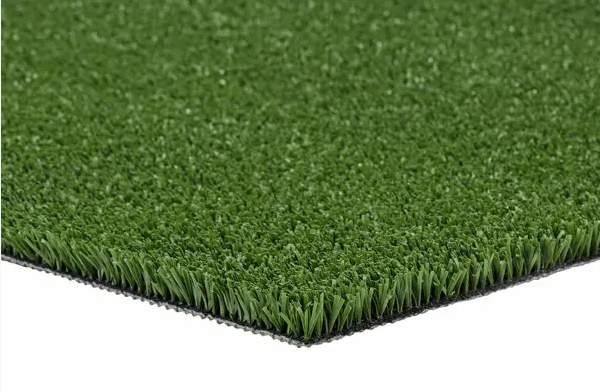
Infill fills in the gaps among turf fibers. It adds weight for stability and helps the ball grip just right. Without it, the surface would feel flat and unforgiving.
Crumb rubber, made from recycled tires, provides the best possible shock absorption. According to a study, it can reduce the impact on the joints by as much as 30%. Yet, some are concerned that minute particles might affect health over time.
Silica sand provides a cleaner alternative that features good drainage. Although it is less bouncy than rubber, it is much easier to take care of. Newer alternatives, like organic fillers, avoid chemicals altogether. For more health-conscious courts, go with sand-it’s simple and safe for families.
Pile Height and Density- Customize Performance
Pile height is the length of those upright fibers. The short piles, at about 0.5 inches, hasten the ball for fast-action games, while taller ones-0.75 inches-can slow things down, like in clay courts.
Density is how tightly the fibers are packed. High density withstands the wear from slides and sprints. It keeps the court looking fresh for years of use.
Match pile height to your area- in dry climates, go shorter to fight heat build-up. In heavy use, pick dense turf that will last longer. Test a sample—feel how it plays before you commit.
Performance Indicators- What Constitutes a “Perfect Game Experience”?
A perfect game flows smoothly, with bounces you can rely on, and footing that feels secure. Top artificial tennis turf nails these points. It makes every match a pure joy, whatever your skill level.
Ball Bounce Consistency and Speed Rating
ITF designates the rating for court speed from 1 to 5, where 1 is super slow and 5 is lightning fast. Most synthetic tennis court surfaces hit within category 2 or 3 for balanced play. This setup matches what pros use in big events.
Even fiber height and solid infill provide uniform bounce. No more guessing where the ball will land. Serious players notice the edge- shots stay predictable.
Ever slice a perfect drop shot and then have it skid weird? Good turf fixes that. Look for ITF-certified options to make sure you get a professional response.
Player safety and shock absorption
The joints take a beating on hard surfaces. Artificial tennis turf, however, softens the blow with its cushy layers. It cuts injury risk by spreading force across your steps.
Modern designs reduce turf burns, too. Fibers bend without scraping skin like old synthetics did. Throw in a base pad, and you slash shock by 40%, per safety tests.
Install that under-layer correctly for maximum safety. It absorbs jumps and dives, so after marathon sessions, your knees will thank you.
Weather Resistance and Drainage Capabilities
Sun and rain test any kind of court. The UV-stable turf will not fade or crack under such harsh light, the green hue remains vivid for years.
Water drains away with amazing rapidity via the drainage holes, often mere minutes after a storm has passed. Less downtime, more playtime-that’s the ticket. It’s a real game-saver for sure in rainy zones.
Think of it like a sponge that dries quickly. No puddles mean no slips. For top weather smarts, choose turf with perforated backing.
Installation and Sub-Base Considerations- Laying the Foundation for Longevity
A solid base sets up your court for success. Skip this, and even the best tennis turf fails early. Get it right, and your surface lasts decades.
Sub-Base Preparation- Concrete versus Aggregate
Concrete slabs provide a solid, even start. They resist shifts from ground freeze or thaw. Costs run higher upfront, about $10 a square foot, but they are stable.
Crushed stone gives aggregate bases their flexibility. They drain well and are less expensive, at roughly $5 a square foot, which is great for sloping yards or budget builds.
Weigh your spot. Flat land? Go concrete for precision. Uneven ground? Aggregate flexes without cracking. Whichever you choose, compact it tight for even support.
Professional Installation versus Doing-It-Yourself- Complying with Warranty Conditions
Do-it-yourself may be tantalizing savings, but seams usually go awry. Uneven joins mean trips or ball wobbles, and most warranties demand pro work.
Hire certified crews that can do the exact infill spread and fiber uprighting, they have tools that lock everything in place. It will add years to its life.
Avoid the hassle, call the experts. Your court deserves that professional touch to shine.
The Role of Cushioning Underlays
Underlays add extra bounce-back under the turf. They act like a mattress for absorbing hard lands. Rubber pads work best for the control of shock.
Many skip them to save cash, pros recommend them for comfort. It prevents strains in high-use courts. Set up one and feel the difference in every volley.
Layer it thin, about 1/4 inch for optimal give. It pairs perfect with polyethylene turf.
Artificial Turf Court Maintenance Requirements
Keep your synthetic tennis court surface in top shape with easy routines. Low effort means more time playing, while neglecting it means performance will dip fast.
Regular cleaning- sweeping and removal of debris.
Weekly sweeping to clear leaves and dirt- Use a soft broom to lift fibers. Keep the ball rolling true.
Hose down for deeper cleans every few months. Let water rinse infill clean. Power brooms speed things up on big courts.
Keep to a schedule. Morning sweeps beat the heat. Your turf stays fresh and ready.
Infill Level Management and Replenishment
Infill settles with play, like sand in a beach bucket. Check levels monthly—aim for 1 inch deep. Low spots slow the ball.
Fill to the top with matching filler, using a spreader. Rake even to provide for smooth play. Repeat annually for heavy courts.
Watch after heavy rains, water moves objects. Temporary repairs maintain quality.
Weed Control and Stain Management Specific to Synthetic Surfaces
Weeds come in at edges. Pull them by hand or use safe herbicides, avoid harsh chemicals that melt fibers.
For clay or drink stains, lightly scrub with mild soap and water. Blot-not rub-to lift marks. Preserves green look.
Seal the edges with barriers. This will prevent growth right at its source. Basic measures will keep your court clean.
Conclusion
With artificial tennis turf, the selection comes with blended cost, quality of play, and upkeep in one decision- consistent bounces, joint-friendly cushion, and weatherproof construction to outlast the old options. More importantly, it will save your time and money while sharpening that edge on the court over the long run. Here’s a quick checklist to guide your decision- Match materials to needs- polyethylene for bounce, nylon for grit. Infill types to test- Sand for clean, rubber for soft. size pile right- short for speed, dense for wear Lay a solid foundation- concrete for flat, aggregate for flex. Hire pros- Lock in that warranty. Plan maintenance- Weekly sweeps, yearly tops. Invest now and enjoy an endless number of perfect games. Your ace is waiting on the best tennis turf. Want to upgrade? Call a supplier today and step up your game.
About the Author