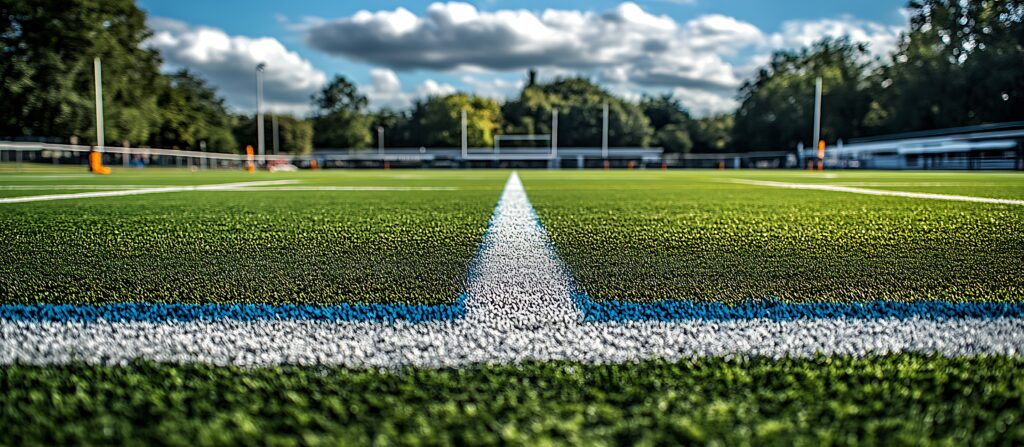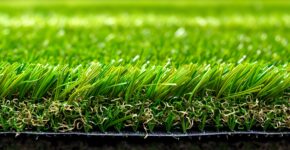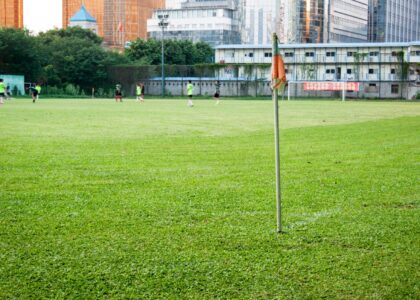



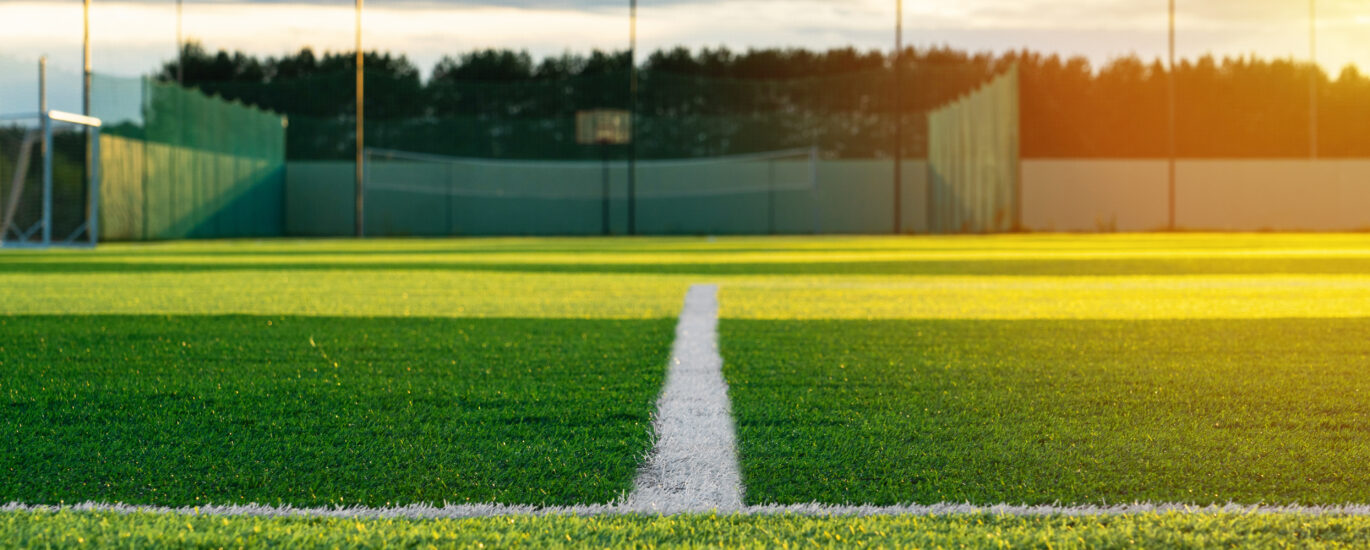
You are at a park on a beautiful sunny day. There is a group of children playing soccer on bright green turf as they run after the ball with laughter all around. However, beneath the surface of the gorgeous turf is a big concern. Millions of Americans play sports on artificial turf fields that are made of tire crumb rubber because these infill types of materials give the appearance of the field being green and bouncy. However, there are many hidden dangers associated with textile infill types of materials. Chemical tests demonstrate that the materials contain carcinogenic chemicals, including Polycyclic Aromatic Hydrocarbons (PAH), as well as heavy metal and volatile organic compounds (VOC), which are being depleted during play. This is not just a footnote. Removing these toxic infill types of materials from artificial turf fields will save athletes’ lives, especially children. This article will identify the health issues associated with these toxic materials, the many challenges associated with moving away from those materials, and the legislative process of changing to another type of infill materials. In addition, it will also identify sustainable alternatives and examine the need for alterative types of infill materials due to sustainability issues associated with the current infill materials.
The carcinogenic components of the traditional infill materials
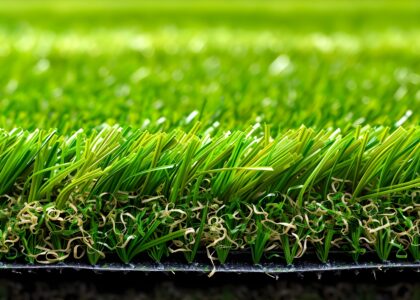
Crumb rubber is the most common type of infill material in an artificial turf field. Crumb rubber is a byproduct of recycling automobile tires, and is usually in the form of black granules. The black granules are made up of a type of chemical that is classified as polycyclic aromatic hydrocarbons (PAH). The chemical substances noted here occur from the production and burning of rubber tires. This is described as a possible or probable cancer-causing substance (carcinogenic) and is also recognized by the Environment Protection Agency (EPA) as a possible lung cancer and skin cancer risk. This category also includes metals such as lead and zinc. Over time, they accumulate in the earth and in the body. There are also Volatile Organic Compounds (VOCs) that volatilize and enter the environment, causing respiratory problems. In a study released from the University of Washington in the year 2023, they analyzed 200 different fields regarding PAH levels and found that approximately 80% of samples had PAHs, and, in some instances, they exceeded the established limits. The physical properties of these substances prevent them from breaking down; therefore, they continue to exist in the environment and cause chronic exposure.
For Children, Athletes, and Maintenance Crews
Dust can be kicked up when a player runs on the field. Players breathe in deeply the dust when they are running on these fields. High temperatures exacerbate the release of fumes from the ground, and sweat and any skin cuts allow the absorption of the chemicals through the skin. Many children fall and put their hands or mouths in the grass, leading to the ingestion of microscopic particles. The maintenance crews tend to encounter the most exposure since they regularly clean (rake and vacuum) and expose the fields to large amounts of dust. Youth are the most concerning population group, as their bodies grow rapidly and the accumulation of smaller amounts of the substances over the years can have a negative impact on their health. A report in 2024 from Connecticut showed increased VOCs in the area of the goals on the fields where the highest activity would occur.
Studies have made headlines and brought attention to a complicated issue of concern for many. The Berkeley Lab study performed in 2017 startled many with its linking of tire rubber, and consequently the chemicals in it, to benzene, a known cancer-causing agent. The French FDA (ANSES, or the Haute Autorité de Santé), published warnings in 2022 about the impact on reproductive health from this type of infill. Testing done on laboratory animals revealed DNA damage as a result of exposure to these chemicals. In 2025, the CDC (Centers for Disease Control & Prevention) conducted a review of available data and recommended exercising caution with any synthetic turf located close to schools. Many states, such as New York, are investigating these findings. There is a bill in January 2026 requesting the testing of all synthetic turf nationwide. Local Health Boards have been compiling and reviewing these findings and are requesting that all new installation projects be banned. However, many of the existing fields are still in place, and the consolidation of these studies and findings will only increase the urgency for all stakeholders.
Costs: Replacement vs. Remediation
Removing an old artificial turf field is financially burdensome. The cost to replace a standard synthetic turf field is estimated to be $500,000 to $1,000,000 for the total process. Cities are working with limited financial resources, and school districts operate with limited funding that is primarily provided through grants. Although it may appear more cost-effective to perform remediation, such as capping the in-fill or installing barriers, research shows this option fails over time due to the potential leaching of chemicals over time. Therefore, the long-term financial implications of removing and replacing an old field must be factored into your financial analysis. Green Sports Alliance published its Economic Impact Report in 2025, estimating that $10 billion will be spent nationwide to treat illnesses that result from synthetic turfs in the next ten years. While this may seem high, the savings associated with medical treatment (due to fewer cancer cases) and insurance drops in the future must also be considered. To put this in perspective, think of this as waiting until a leaky roof causes a flood to fix it.
Difficulties in Moving Materials for Safe Disposal
When material is removed from site, it stems from tons of waste. Where does waste end up? Many landfills do not accept anything that is toxic and will turn away this type of load. The few types of sites that accept this type of load usually have increased fees. Transportation creates additional truck miles and emissions. Recycling options are becoming less common. There are some companies that have started the practice of shredding rubber into crumb and using said crumb for road construction, but the level of purity of the crumb is important. If that product is contaminated, it creates a problem for any new use. Europe has good solutions. They recycle 70% of their waste into safe products. The USA, as of the date of the EPA’s 2024 report, is managing to recycle up to 20% of their material in the correct manner. Regulations for disposing of/handling toxic materials differ from state to state; California requires that any business handle toxic materials as a hazardous material, which adds delays to projects. Delays hinder the community’s ability to have safe places to play.
Performance Comparisons for Early Alternative Products
During the early 2000s, synthetic turf switch systems were introduced. Synthetic turf was not yet fully developed. Natural sands could be drained poorly. The capping process for the four/six/six combination would compact the natural sand too fast, causing joint trauma. Organic materials such as walnut shells would deteriorate due to ultraviolet light exposure. The result was patchy playing fields and players slipping more frequently from less than adequate shock absorption compared to rubber. The light source would break down the synthetic materials within months. Maintenance costs were extremely high and the need for using more water was doubled because of the frequency of watering during maintenance. The dissatisfaction of coaches was loud and clear. In a 2010 FIFA test, a turf field received a 30% lower score for rebound compared to a natural grass field. This created uncertainty about whether or not to risk installing sub-par quality turf. However, technological advancements have improved alternative product options. The lessons learned from early failures will benefit future installations of quality products.
State and City Bans
As the first city seeking to ban crumb rubber from synthetic turf fields, Portland was successful in their efforts in 2019. Portland then transitioned to using organic infills to create their synthetic turf fields and has not installed a synthetic turf field using crumb rubber infill since. New York City has enacted a similar law that covers all municipal parks and schools with synthetic turf and was put into effect in 2023. California will require the use of natural infill for youth sports starting in 2027. The cities utilizing natural infill have reported a decrease in the number of complaints, as well as keeping the playing experience intact. Non-compliant fields will be subject to fines of up to $50,000. Some states, including Maryland, have mandated that every artificial turf field in the state be inspected on an annual basis. Many municipalities have enacted laws that eliminate the use of toxic substances from their synthetic turf fields. By the end of 2026, it is projected that at least 15 municipalities will have laws in place that will prohibit the use of carcinogenic substances while using artificial turf. The found laws vary, however, they are creating change.
Notable examples include:
• Los Angeles: Requires independent safety inspections.
• Seattle: Provides financial support (up to 50% of the cost) for upgrading to green alternatives.
• Boston: A municipality that has linked the receipt of grants to the installation of non-toxic, natural materials used in synthetic turf fields.
The focus of these initiatives is first and foremost protecting the children that utilize synthetic turf fields for sporting activities.
Adaptation of Manufacturers and New Product Development
The leading manufacturers of synthetic turf, such as FieldTurf, have been able to adapt quickly to the changing market landscape. FieldTurf’s product line immediately dropped SBR and switched to using a combination of TPU and TPE for their newer lines they are working on developing for the future. Competition also includes AstroTurf, who are currently testing silicone-based infills for use within their products. Actions taken by manufacturers to voluntarily eliminate SBR from their products are being taken to reduce the potential risk associated with SBR. However, it is important to know that the majority of the transformation taking place in the industry is as a direct result of the regulatory framework. A recent survey conducted by an industry organization indicates that 60% of respondents stated that they will be complying to regulations established by various regulatory entities. The forming of organizations dedicated to safety and concerns related to synthetic turf has also increased. The Synthetic Turf Council has established a standard for evaluating and testing products for the lowest possible foundational PAH levels. The manufacturers in the synthetic turf industry are currently experiencing tremendous growth in product innovation. The number of new inventions and patents filed worldwide has increased 40% annually. Manufacturers of synthetic turf are heavily promoting “green turf” options as a viable product option. Consequently, it is evident that there is an incoming demand by parents seeking “green” alternatives for their children’s sporting events and fields.
Sports leaders are always stressed by risk. School districts have previously been sued because of turf exposure with settlements being over $2 million. Since juries view old football fields as being dangerous, and even if a ban wasn’t put in place, there can be negligence claims held against the school district. In 2026, a report found that insurance premiums for old turf fields increased by 25%. Municipalities are auditing turf fields now and will be looking for waivers or upgrades to get the most out of their investments. Private clubs will lose business due to boycotting of the organization. Parents will pull their kids from the team. Time to wake up! Those that ignore this issue will be paying in the future! Legal experts advise for full disclosure of the potential risks and to implement safe changes that will reduce the exposure for all parties involved.
Natural and Organic Infill Options
Cork Granules are the best option available to date because they come from harvested cork trees, and produce excellent bounce. There are no harmful chemicals used in this process, so it makes a very fast drain and eliminates mud. Coconut husks are another great product and offer almost identical benefits as cork granules. Additionally, there are wood fibers made from pine which can be used as an Organic alternative. All of the above qualified as Certified Organic which means that they have not used pesticides. Test conducted by ASTM in 2025 rated cork as one of the best shock absorbents on the market, and compared to rubber for shock at 85% absorption. For maintenance of natural and organic products, irrigate weekly to keep them from drying out, and rake them frequently after heavy rains due to the compaction factor. The market for organic products continues to grow, and products from manufacturers such as Regeneration Turf are sold across the USA for a higher initial cost of 20% more; however, organic products last much longer. Fields in Denver, Colorado which utilize organic products perform at an optimum level, and players enjoy the feel of organic play surfaces.
Synthetic solutions have become an emerging product for field owners! Synthetic Turf filled with TPE is made with plant-based plastics that resemble rubber or plastic but do not contain any of the harmful chemicals that are commonly found in many traditional rubber and plastic products.
TPE infills can also be combined with silicone beads to create a cool touch for the athlete playing on them and will not emit harmful Volatile Organic Chemicals (VOCs). The reliability of this type of infill has been confirmed through third-party independent laboratory testing, and TPE has received certification from Underwriters Laboratories (UL) for compliant use in 2024. There are no PHA detectable levels in TPE infill products. The durability of TPE infill products is equivalent to that of previously used types of rubber and has been demonstrated to retain its strong UV stability for ten years. As demonstrated by testing conducted on artificial turf surfaces during the FIFA Tournaments, TPE infill products received high scores for playability when tested in actual games. Based on a Michigan field test conducted in 2025, all TPE infill products have shown equal wear patterns and exhibit no signs of dust storming. In addition, TPE infill products are typically less expensive to install than artificial rubber field products, and the installation process of a new full-service TPE field can be completed within a few days.
The main drawback to TPE infill is that there has not been significant development of a recycling industry for them; however, this is expected to improve in the near future. Here’s what you need to know about TPE infill as a field owner.
As a field owner, you should do everything in your power to ensure that you are evaluating any new material you are considering to potentially purchase. If you want to upgrade to using TPE infill products on your fields, please keep the following steps in mind. Be sure to ask for safety certifications from both the Environmental Protection Agency (EPA), as well as the National Sanitation Foundation (NSF). In addition, request third-party independent companies to conduct extensive testing of the chemical components of TPE products. Make sure to obtain user shock data from fields where the TPE products were installed, and take the time to review the warranty limit of at least eight years on the TPE products you are purchasing.
Take the time to physically visit fields that use TPE products so that you can touch and see the TPE product before making a decision on whether or not you will use TPE infill products at your field facilities. You will also want to consult with a budget for hiring installation professionals, since grant programs from the United States Department of Agriculture (USDA) can help provide financial assistance to your operations and help offset the costs associated with installing TPE. While tracking your maintenance logs you will have a written record of all repairs and preventative maintenance you performed to maintain theTPE infills, which also will assist you in making better decision for future install of fields as necessary.
Here is a checklist of items to consider:
1. Review your material Safety Data Sheets (SDS) for hazardous substances.
2. Confirm independent laboratory analysis for results obtained (i.e. PAH <10ppm).
3. Test the drainage and bounce on-site with TPE fill material.
4. Take into account the total life cycle costs of TPE material when considering disposal.
5. Verify that you are in compliance with all local ordinances.
The conflict between sport and safety is clear, but safety should outweigh performance. The presence of carcinogenic chemicals in synthetic turf are hazardous and remain in the environment. Many studies demonstrate this. Logistics and finances are barriers to implementing change, but new laws and innovations will make this transition easier. The use of natural materials, such as cork and synthetic materials, like TPE all create an alternative that will allow for the continued use of turf without exposure to harmful chemicals.
A combination of those things will be the top priority for those directly involved in the industry. Clean turf is necessary now and in the future. By investing in clean turf, you will help to protect the health and wellness of children who play on it. Communities can benefit, as leaders can make the right decision. Let’s create safe environments to play in. Your support is needed to create this change.